College Care Package Ideas for Grandkids (Move-In to Finals Week)
Our Top Pick
Snack Variety Box
$15-25 for a mixed box. Individually wrapped and grab-and-go — the reliable centerpiece of any package, whether it's midterms, finals, or a random Tuesday. Skip anything that needs a bowl or a fridge.
Grandma’s care package hits different than Mom’s. It’s the one with a handwritten letter tucked inside, a $20 bill nobody mentions out loud, and the exact snacks from childhood summers — not another reminder to eat something green or call home more often.
The best college care packages follow the school calendar, not the gift calendar. Send one during move-in week in late August, another around midterms in October, the biggest one during finals week in early-to-mid December, and a small pick-me-up in February when the new-semester excitement has worn off. Most packages run $20 to $40 total — a snack box, a gift card, maybe something cozy — and the one thing that matters more than anything you buy is a letter in your own handwriting.
Here’s how grandparents who do this well actually pull it off — the calendar, the logistics, and the one ingredient no snack box can replace.
Why grandma’s care package hits different
Every college student gets a package from home eventually. Most come from parents, and most come with a little bit of nagging built in — eat something green, do your laundry, call your mother back. Grandma’s package is different. It shows up with no strings attached, a letter that doesn’t ask anything of them, and usually a $20 bill folded into a card that nobody mentions but everybody remembers.
This guide is about the recurring care package — the one you send four or five times a year just because it’s October, or because finals are next week, or because it’s a random Tuesday and you thought of them. For milestone gifts tied to a specific occasion, like a birthday or graduation, see our gift guide for young adult grandkids instead. And if this is your first care package ever, our summer camp care package guide covers the same format for younger grandkids — with very different rules, since a college dorm has almost none of the restrictions a sleepaway camp does.
Move-in week (late August): the scramble box
Move-in week is happening right now for most families, and it’s chaos in the best way — a new roommate, an over-air-conditioned lounge, a hallway full of parents hauling mini fridges up the stairs. A grandparent package during move-in week is less “settling in” fuel and more a small piece of home before homesickness even has a chance to set in.
A cooling towel is the unsung move-in MVP. Dorms are rarely cooled well during August move-in, and hauling boxes up three flights of stairs in late-summer heat is genuinely miserable. Snap it, wring it out, drape it around the neck — instant relief, $8-14.
A long charging cable solves a problem before it exists. Every dorm room has exactly one outlet within reach of the bed, and the cable that came in the box with the phone is never quite long enough. A 10-foot braided cable, $9-15, ends that argument before it starts.
Skip anything bulky for this one. Move-in day is already a logistics nightmare with too many boxes — a smaller package that arrives the week after move-in, once the dust has settled, often lands better than anything that has to be carried up the stairs on day one.
Midterms (October): the pick-me-up
By mid-October, the new-semester glow has worn off and midterms have arrived. This is the least-celebrated moment on the college calendar, and exactly why a package matters — nobody else is sending one right now.
A snack variety box ($15-25) is the reliable centerpiece. Skip anything that needs a bowl or utensils; the point is grab-and-go fuel between the library and a 9 p.m. study session. Individually wrapped is worth the small upcharge — it survives a backpack better than a shared bag does.
Instant coffee packets ($10-18) matter more than they sound like they should. A stick of real, decent-tasting instant coffee — not the gas-station kind — turns a dorm room into a functioning caffeine source at 1 a.m. without a trip anywhere.
Electrolyte drink mix packets ($12-20) round it out, for the all-nighter, the cold that’s going around the dorm, or just remembering to drink water during a week that runs on caffeine and stress. All three fit easily into one small flat-rate box.
Finals week (early-to-mid December): the big one
Finals week — early to mid-December for most schools — is the one care package grandparents should never skip. It’s the highest-stress stretch of the semester, arriving right as the weather turns and the sun sets at 4:30 in the afternoon. This is the package to go a little bigger on.
Hot cocoa bombs ($12-20) are a small, seasonal delight — drop one in hot milk between study sessions and it’s five minutes of something that isn’t a textbook. A wearable blanket hoodie ($30-45) is the finals-week MVP: dorm heating is unreliable, library air conditioning runs cold even in December, and a soft, oversized wearable blanket becomes the thing they live in during exam week and long after.
A DoorDash gift card ($15-25) — or one for Chipotle, or whatever delivers near campus — solves the very real problem of a student who hasn’t left their dorm in two days and has nothing left in the mini fridge. It’s usually the single most-used item in a finals package, often gone within 48 hours.
Laundry detergent sheets ($12-20) are a quietly practical add. Everyone is doing a marathon laundry session right before heading home for break, and a lightweight sheet pack — no jug to carry, no spilling in a shared machine — is genuinely useful.
And the letter. Especially this one. Finals week is when a handwritten note that says nothing more complicated than “I’m proud of you, and it’s almost over” means the most.
The February slump: the one nobody else sends
February is the forgotten month. The holidays are long over, spring break is still weeks away, the weather is at its worst, and nobody — not parents, not friends, not anyone — is sending care packages in February. That’s exactly why one from grandma lands so well.
This is the moment for a dorm first-aid kit ($15-25), what Margaret calls “the mini pharmacy.” Cold and flu season peaks on college campuses in February, dorms are germ factories, and a compact kit with the basics — pain reliever, cough drops, bandages, allergy medicine — saves a sick, homesick 19-year-old a trip to the campus pharmacy they don’t want to make.
Pair it with a small gift card and a short letter. Nothing elaborate; February doesn’t need a big box. It needs proof that someone remembered a month everyone else forgets.
Random Tuesday packages: the secret best ones
Ask any college student which package meant the most, and it’s rarely the big finals-week box. It’s the one that showed up on a random Tuesday for no reason at all.
These don’t need a theme or an occasion — that’s the entire point. Magnetic photo frames ($10-16) for the mini fridge are a perfect random-Tuesday item: slide in a photo from last Thanksgiving or a picture of the family dog, and it’s on display within a minute of opening the envelope. Small, cheap, and it turns a dorm room a little more into home.
The best random packages are small on purpose — one item, a note, done. A $12 item and a stamp is a five-minute errand for you and a genuine bright spot in their week. Frequency beats size here, every time.
Getting the logistics right
A few logistics mistakes sink more care packages than bad gift choices ever do.
Get the mailing address exactly right. Most colleges route student mail through a central mail center or package locker system, not the residence hall’s street address. That usually means the student’s full legal name, their student ID or box number, the name of the mail center — not just “Dorm Name, Room 214” — and the campus zip code. Ask your grandchild or their parents for the exact format the school uses; a package in the wrong format can sit in a mailroom for a week or get returned.
Flat-rate boxes are the easiest math. A USPS Priority Mail Flat Rate Medium Box runs about $23-25 and a Large Box about $32-35 as of mid-2026 — USPS adjusts pricing a couple of times a year, so double-check usps.com before you ship. Either one ships any weight up to 70 lbs to any address in 1-3 business days, with tracking included.
Mind the food rules. Nothing that melts (chocolate in a hot mailroom is a mess), nothing that crushes (chips arrive as crumbs more often than not — pack them centered and padded), and nothing that assumes no allergies. Roommates open packages too sometimes, and a shared dorm fridge means your snacks aren’t always private.
Text before you ship, or right after. A one-line heads-up — “package on its way, should land Thursday” — means it actually gets picked up from the mail center promptly, instead of sitting in a locker for two weeks.
The centerpiece: the handwritten letter
Every item in this guide is optional. The letter is not.
College is the loneliest a lot of grandkids will ever feel, even when they’re surrounded by people constantly. A short, handwritten note — not a text, not an email, an actual letter in your own handwriting — is the one thing in the box that can’t be bought at any price point. Mention something specific: a memory, a question about their roommate, something funny that happened at home. Skip the “hope you’re doing well” filler; they can tell the difference between a real letter and a placeholder.
And the $20 bill. Nobody talks about it, everybody remembers it. Fold it into the card, don’t make a production of it, and let it fund a coffee run or a late-night pizza on a day that needed one. It’s a small amount that means a disproportionate amount, precisely because grandma sent it for no reason at all.
What NOT to send
Perishables that need refrigeration. Fresh fruit, anything dairy, home-baked goods without preservatives — they can sit in a mail center for days before anyone picks them up. If it needs a fridge before it needs a mailbox, don’t ship it.
Anything embarrassing to open in a shared mailroom. Packages often get picked up in front of roommates, hallmates, or a packed lobby. Save the personal or sentimental extras for something they’ll open alone.
Quantity over quality. A box stuffed with twenty small items reads as clutter, not thoughtfulness. Five well-chosen things and a letter beats twenty random ones every time.
Alcohol, for anyone under 21 or even close to the line. It’s not just a rule of thumb — it’s often a violation of campus housing policy, and RAs do check packages when there’s a reason to. Save it for their 21st birthday instead.
The bottom line
A college care package doesn’t need to be big, and it definitely doesn’t need to be for a special occasion. The ones that mean the most are usually the smallest — a snack box and a letter mailed on a Tuesday in October for no reason at all.
Anchor it to the calendar if that’s easier: move-in week, midterms, finals, the February slump. Or skip the calendar entirely and send something the moment they cross your mind. Either way, the formula barely changes — one or two well-chosen items, something that isn’t food if you can manage it, and a letter in your own handwriting.
The snacks get eaten. The hoodie eventually gets a coffee stain. The letter gets kept — tucked in a drawer, read again during a hard week sophomore year, still there years later. That’s the one that sticks.
For more long-distance ideas that adapt well to a mailed package, see our long-distance grandparent gifts guide.
Full Comparison: Our Picks
Snack Variety Box
$15-25 for a mixed box. Individually wrapped and grab-and-go — the reliable centerpiece of any package, whether it's midterms, finals, or a random Tuesday. Skip anything that needs a bowl or a fridge.
Instant Coffee Packets
$10-18. Real, decent-tasting instant coffee turns a dorm room into a caffeine source at 1 a.m. without a trip anywhere. Small enough to disappear into any box, useful enough to get used immediately.
Electrolyte Drink Mix Packets
$12-20. For the all-nighter, the dorm cold going around, or just remembering to drink water during a week that runs on caffeine. Lightweight, no fridge needed, easy to toss in with anything else.
Wearable Blanket Hoodie
$30-45. The finals-week MVP when dorm heating is unreliable and the library runs cold even in December. Soft, oversized, and becomes the thing they live in through exam week and long after.
Laundry Detergent Sheets
$12-20. No jug to carry, no spilling in a shared machine — just a lightweight pack that solves the marathon laundry session before heading home for break. Quietly one of the most-used items in any box.
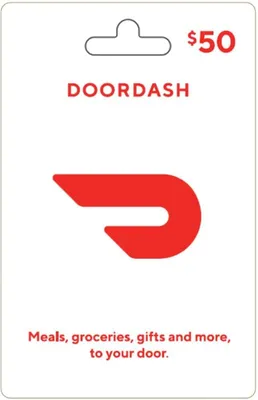
DoorDash Gift Card
$15-25. Solves the very real problem of a student who hasn't left the dorm in two days and has nothing left in the mini fridge. Usually the fastest-used item in a finals-week package — often gone within 48 hours.
Dorm First-Aid Kit
$15-25. What Margaret calls 'the mini pharmacy' — pain reliever, cough drops, bandages, allergy medicine, all in one compact kit. Saves a sick, homesick 19-year-old a trip to the campus pharmacy they don't want to make.
Long Charging Cable
$9-15 for a 10-foot braided cable. Every dorm room has exactly one outlet within reach of the bed, and the cable that shipped with the phone is never quite long enough. Ends that argument before it starts.
Magnetic Photo Frames
$10-16. Slides onto a mini fridge door and holds a photo from home — instant, no assembly, no wall damage in a dorm that doesn't allow it. The perfect random-Tuesday item alongside a two-line note.
Hot Cocoa Bombs
$12-20 for a gift set. Drop one in hot milk between study sessions for five minutes that isn't a textbook. Small, seasonal, and exactly the kind of thing nobody buys for themselves during finals week.
Cooling Towel
$8-14. Snap it, wring it out, drape it around the neck — instant relief for a move-in day spent hauling boxes up three flights of stairs in late-August heat. Reusable all semester for the walk to class.
Frequently Asked Questions
What should I put in a college care package?
The best packages mix something to eat, something practical, and something personal. A snack variety box ($15-25), instant coffee or electrolyte packets ($10-20), and a small comfort item — a wearable blanket hoodie during finals, a cooling towel during move-in — cover the practical side. Add a gift card to DoorDash or a campus-adjacent restaurant ($15-25) for the days they don't want to cook. The one non-negotiable: a handwritten letter. It costs nothing and matters more than everything else in the box combined.
How often should grandparents send care packages to college?
Four to six times a year works well for most grandparents: move-in week (late August), midterms (October), finals week (early-to-mid December), and the February slump, at minimum. Some grandparents add a fifth or sixth 'just because' package on a random week — those tend to be the ones grandkids remember most, since nothing else is scheduled to arrive that week. There's no wrong frequency; even a single well-timed finals-week package still means a great deal.
What food ships well in a care package?
Individually wrapped, shelf-stable snacks are the safest bet: granola bars, trail mix, chips in a rigid container (not a bag, which crushes), pretzels, dried fruit, and instant coffee or hot cocoa packets. Avoid anything that melts (chocolate bars in a warm mailroom), anything that needs refrigeration, and anything fragile that isn't padded. If the dorm has roommates, stick to nut-free or clearly labeled options, since packages sometimes get opened in shared spaces.
How much does it cost to ship a care package?
A USPS Priority Mail Flat Rate Medium Box runs roughly $23-25 and a Large Box roughly $32-35 as of mid-2026 — but USPS adjusts these rates more than once a year, so treat that as a ballpark and check usps.com before you ship. Either size ships any weight up to 70 lbs to any U.S. address in 1-3 business days with tracking included, which makes the math simple: pack it full, and the price doesn't change.
What do college students NOT want in care packages?
Perishables that need a fridge before anyone can get to the mail center, anything embarrassing to open in a shared mailroom or in front of roommates, and boxes stuffed with too many small items instead of a few well-chosen ones. Skip alcohol for anyone under 21 — many campus housing policies prohibit it in packages regardless of age, and RAs do check when there's a reason to. Generic 'survival kit' filler they can't use tends to go straight in a drawer.
When should I send a finals week care package?
Aim to ship it seven to ten days before their finals start so it arrives with time to spare — finals schedules vary by school, and most run from early to mid-December. Shipping too close to the date risks it arriving after they've already left for winter break. If you're not sure of the exact dates, a quick text to ask is easier than guessing, and doubles as the heads-up that gets a package picked up promptly anyway.